Top Stories

The long-feared Persian Gulf oil squeeze is upon us

Traffic through the Strait of Hormuz has ground to a virtual halt, unleashing the most severe energy crisis since the 1970s and threatening the global economy, write Joe Wallace, Summer Said, Rebecca Feng and Georgi Kantchev, The Wall Street Journal.

Project Oasis and a frustrated Middle East deal: SolarWinds’ WRC dispute

A former sales manager at the cybersecurity company’s Irish office, serving the Middle East market, contested his firing but failed in his claim that it was retaliation for whistleblowing.

Reading the table: Crowley, Farrell and the hand Ireland struggled to play

Twickenham's glow lasted two weeks. Jack Crowley held all the cards against Wales — and struggled to play the right card.

Ready for Cheltenham: Paul Byrne on taking on the big firms – and his friend JP McManus

The co-founder of FitzBet will have a pitch on the rails at next week's festival, after paying £325,000 for the privilege, but it's small beer in his expanding operation. In a rare interview, he opens up about the business of betting.

“I wrote a letter to a guy called AJF O’Reilly in the HJ Heinz Food Company in Pittsburgh. Me, a total loser. I couldn’t believe he wrote back”

Kingsley Aikins is a master networker. His new book explains why everyone needs a network, not just for their career but for the most important aspects of human existence.

America’s ‘most luxurious ski town’ is tearing itself apart

Telluride is in a pitched battle with the eccentric owner of its luxury resort; an attempted ‘coup’ ends in scandal, writes Jim Carlton, The Wall Street Journal.

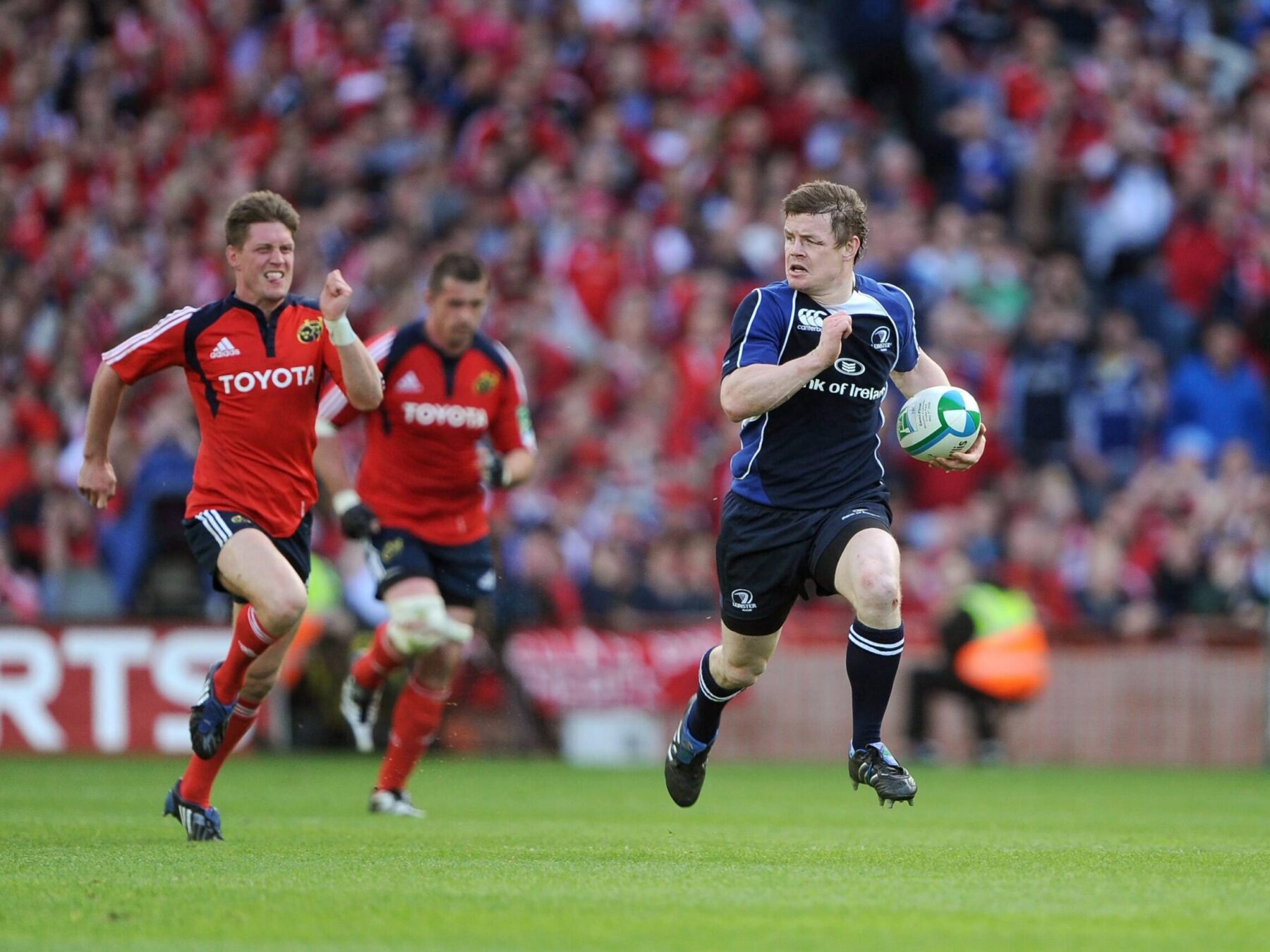
Beware the Ides of March: Opportunity knocks again for Heimir’s Ireland, 40 years after Big Jack’s bow

A friendly defeat against Wales in March 1986 was the first step on Jack Charlton's road to glory. Four decades later, Charlton's arch critic Eamon Dunphy thinks Hallgrimsson can become the third Ireland manager to go to a World Cup.

Startup Ireland hopes to back 1,000 new start-ups in five years. How does it plan to do this?

A briefing document obtained by The Currency reveals a plan that is big on ambition but with details still to emerge. This is what it says.

Top Voices

The State paid landlords €2.9bn in 2024. Was this the peak? Rewinding the week that was

One overlooked aspect of the housing crisis has been the Government’s dominant role in the accommodation market. While policy is shifting, fortunes continue to be made.

Niall Sargent: When emergency becomes permanent, a broken model takes hold

With accommodation payments flowing to private providers since the early days of direct provision, is the State cementing a profitable enterprise model at the expense of a state-led, refugee-centred system?

Dan O’Brien: A dangerous new war – but limited economic threat to Ireland

As oil and gas markets react to escalating tensions, the key question for Ireland is whether higher energy prices will trigger another inflation shock – or remain contained.

A new state savings scheme won’t fix Ireland’s broken savings system

If we are serious about building long-term financial resilience for households – and reducing long-term pressure on the State – this is the moment to step back and design a joined-up savings and investment framework that will still make sense in 20 or 30 years’ time.

From “allocating funding” to a “development mindset”: A bid to make science work for the country

Under new CEO Diarmuid O'Brien, Research Ireland's inaugural strategy aims to transform the country's innovation output. Can thousands of new PhDs and a more entrepreneurial approach answer Mario Draghi's critique of European competitiveness?

The worst of both worlds? Resetting rents in a market with no slack

Ireland’s experience over the past decade shows that rental crises cannot be managed indefinitely through emergency measures. Controls introduced as temporary responses tend to become permanent, and permanent systems need to be designed for the long haul.

Joe Gill: Iran war explains why airline shares trade lower than other companies’

In a business exposed to pandemics and geopolitical threats, the risk of taking on debt is higher for airlines. This has consequences for their shareholders, whether they are governments or stock-market investors.

Lessons from Frank: Back to school in Barcelona

A week at IESE Business School on Enterprise Ireland’s Leading Edge programme challenged 20 Irish business leaders to rethink strategy, leadership – and what we do about loyal employees like Frank Nash.